The short answer: match the charger to the device, not to the biggest number on the box. A phone needs 20W to 30W, a tablet 30W to 45W and most laptops 45W to 100W.
Watts are volts times amps
USB-C charging negotiates a voltage and a current. A 65W charger might supply 20V at 3.25A, or 15V at 3A, depending on what the device asks for. A higher wattage charger does not force power into a small device; the device takes what it needs. That is why a 100W charger can safely top up a phone.
Look for USB Power Delivery, usually written USB PD, on the charger and the cable. A charger without it may still work slowly, but it will not deliver the fast charge the device was designed for.
Size, heat and GaN
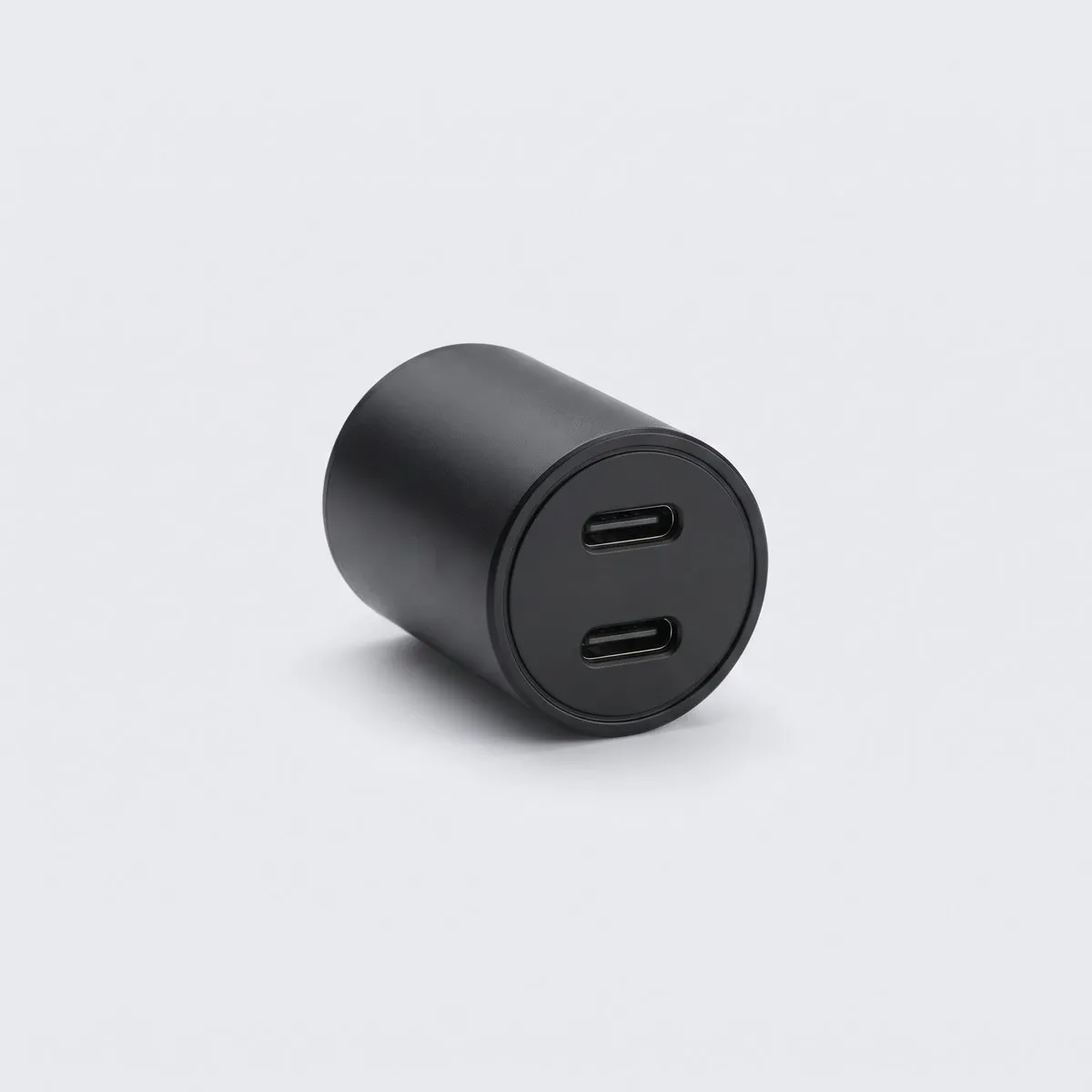
Gallium nitride, or GaN, replaces the silicon switches inside many modern chargers. GaN switches can run at higher frequencies and waste less energy as heat, so the components can be smaller and packed closer together. The result is a 65W charger about the size of an older 30W one, and it stays cooler in normal use.
Cooler does not mean cold. Any charger converting mains power will warm up, and a 100W unit under full load will feel hot to the touch. Give it air, keep it off a soft furnishing and do not cover it. The Voxel Kit 65W GaN USB-C Charger is £35; the 100W three-port model is £59.
Count the ports you really use
A single-port charger is fine for one laptop. A three-port model is better for a desk with a laptop, a phone and earbuds. Read the small print: on many multi-port chargers the total is shared, so a 100W unit may give 65W to one port when all three are busy.
That is still enough for most 13in and 14in laptops, which often ask for 45W to 65W. A 16in creative laptop may want 100W or more on its own, so check the figure in its spec table.
The cable matters as much as the plug
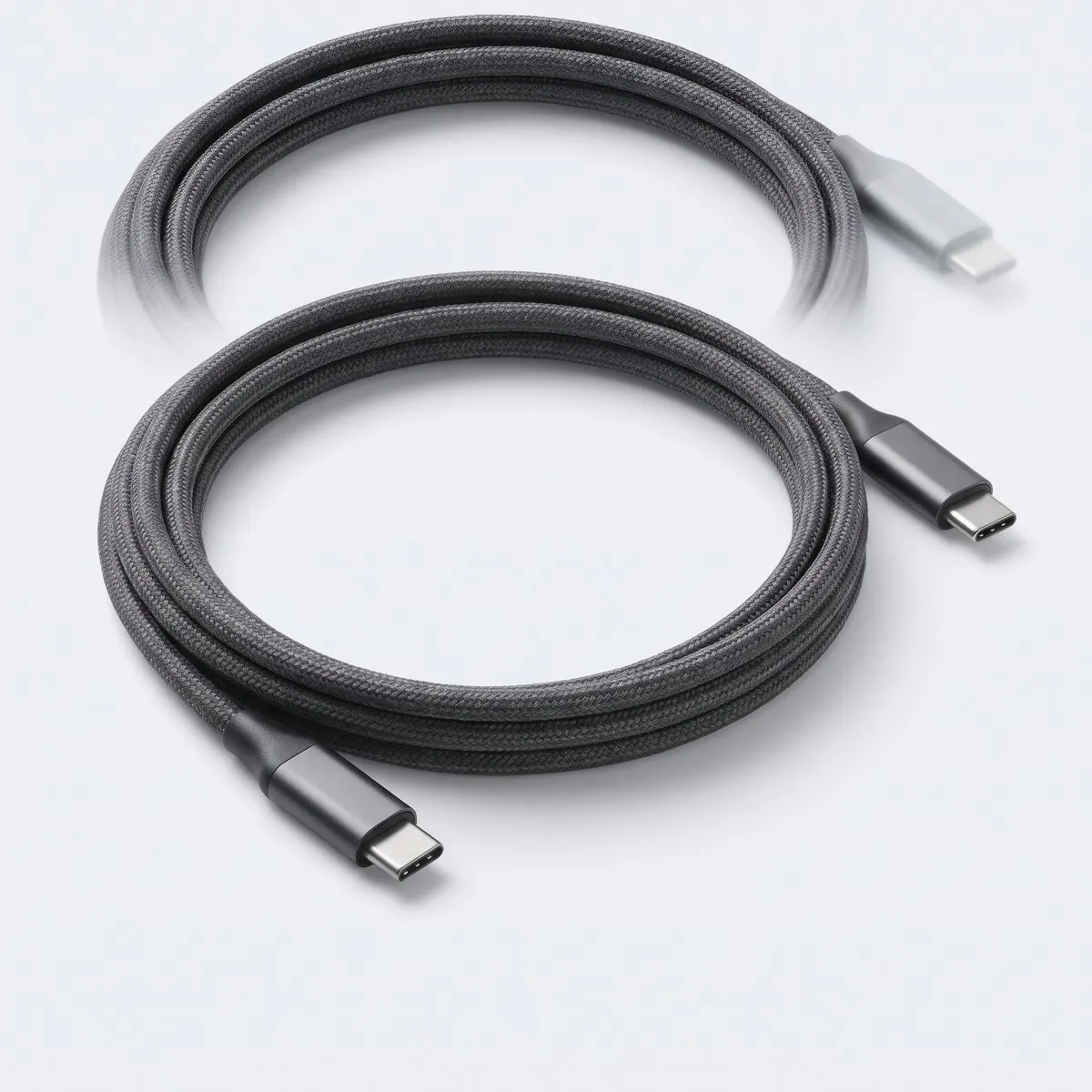
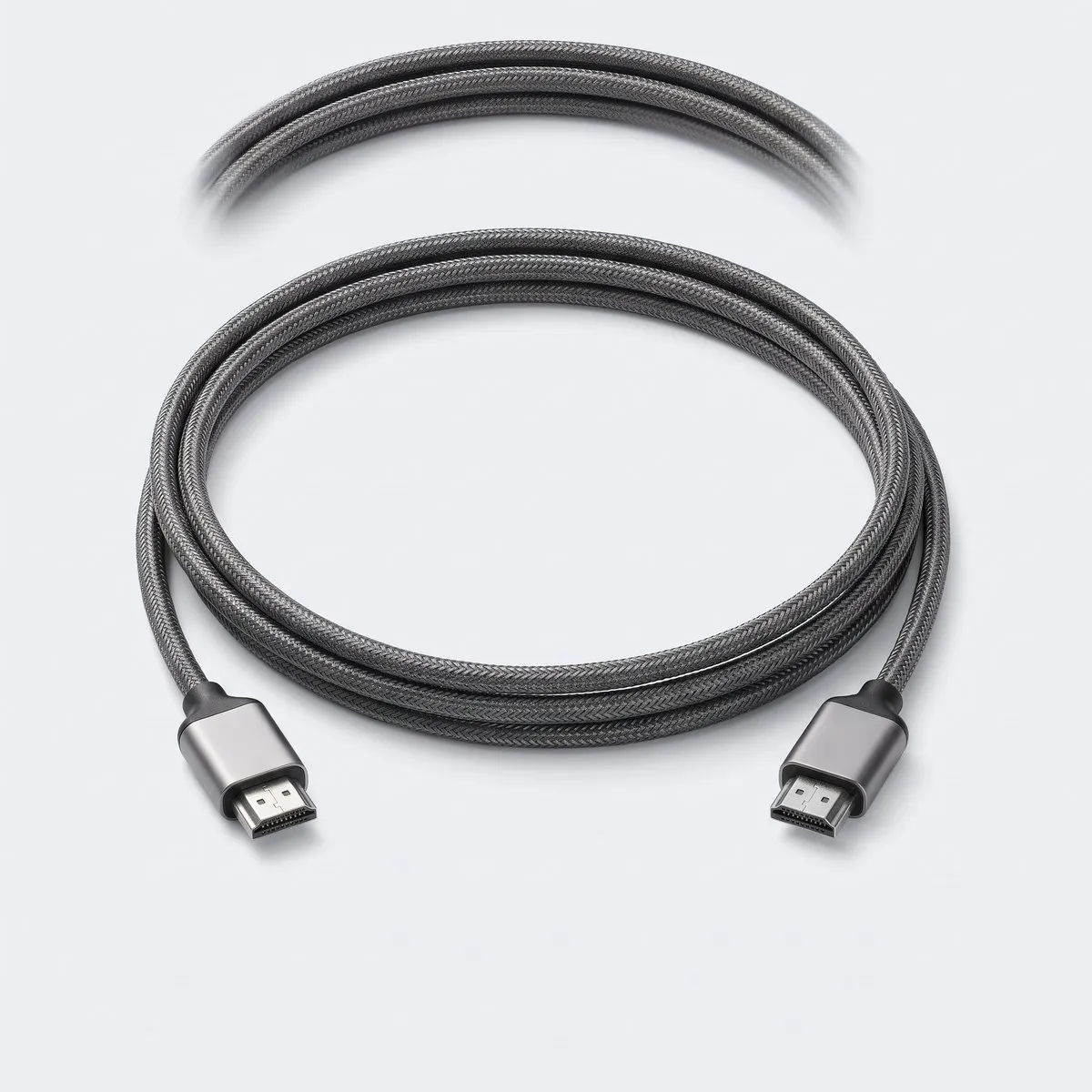
A cable has a rating. Many older USB-C cables are limited to 60W at 3A. To carry 100W you need a 5A cable, usually marked 100W or 240W. The charger cannot push past a weak cable, and a thin cable can heat up when asked to.
Length also costs power. A 2m cable is convenient and loses a little more energy than a 1m one, which matters at high wattage but not at phone levels. Buy one good cable rather than three cheap ones. A cable that feels loose in the port will only get worse, so replace it rather than taping it up.
Travel and battery banks
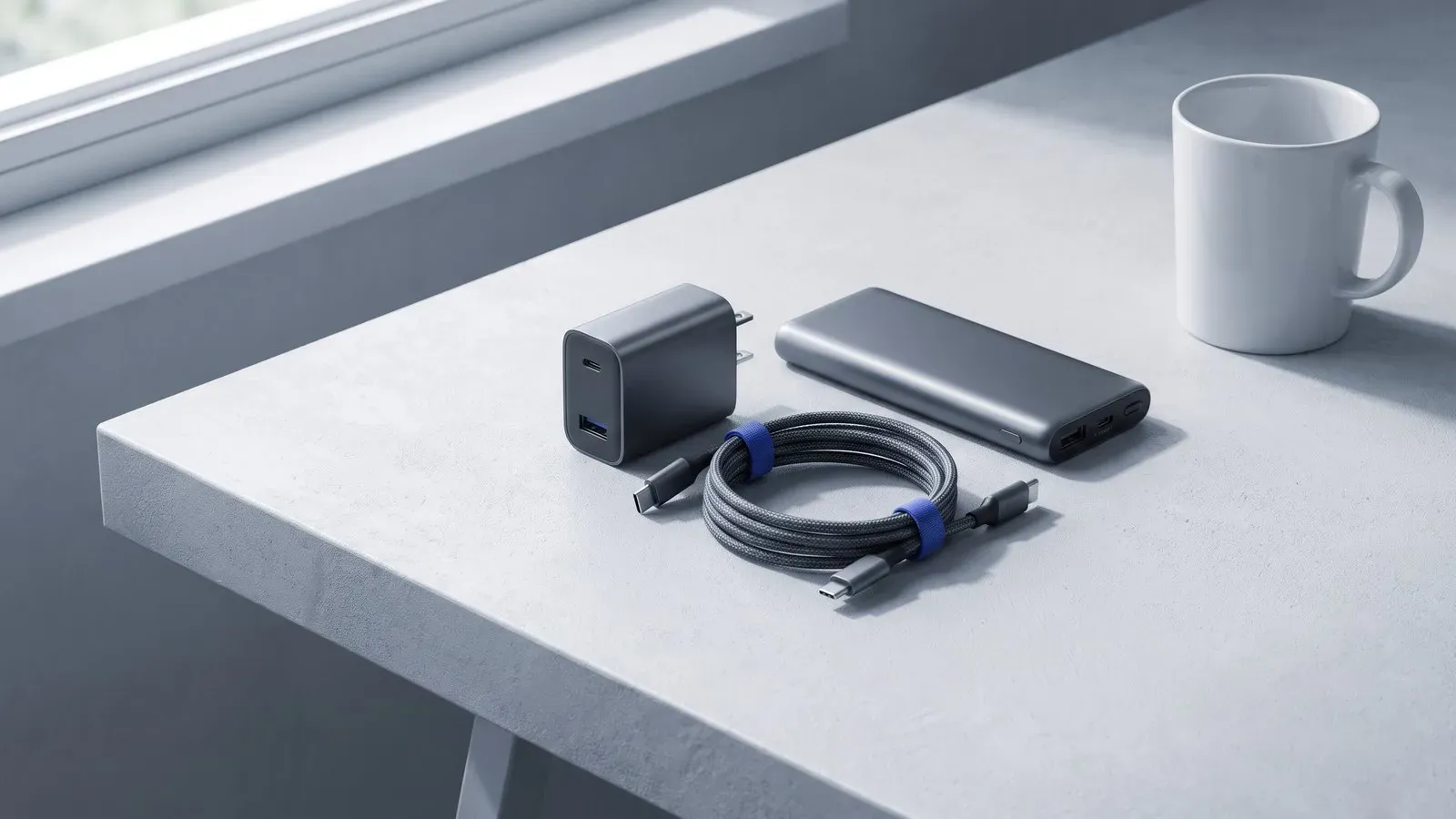
For travel, a 65W charger plus a 20,000mAh power bank covers a weekend. Airline rules usually allow batteries up to 100Wh in the cabin; a 20,000mAh pack is about 74Wh, so it sits under that limit. Keep it in your hand luggage, never in the hold.
- Check the wattage your device asks for.
- Confirm the charger supports USB PD.
- Match the cable rating to the charger.
- Read how power is shared across ports.
- Leave space around the charger for airflow.
- Keep power banks in cabin baggage.
Buy for the devices you own today, with one spare port for tomorrow. That is usually cheaper and smaller than buying the largest charger on the shelf.